内页banner
博客
  • How to Choose the Best Double Wall Paper Cups for Your Coffee Shop Aug 06, 2026
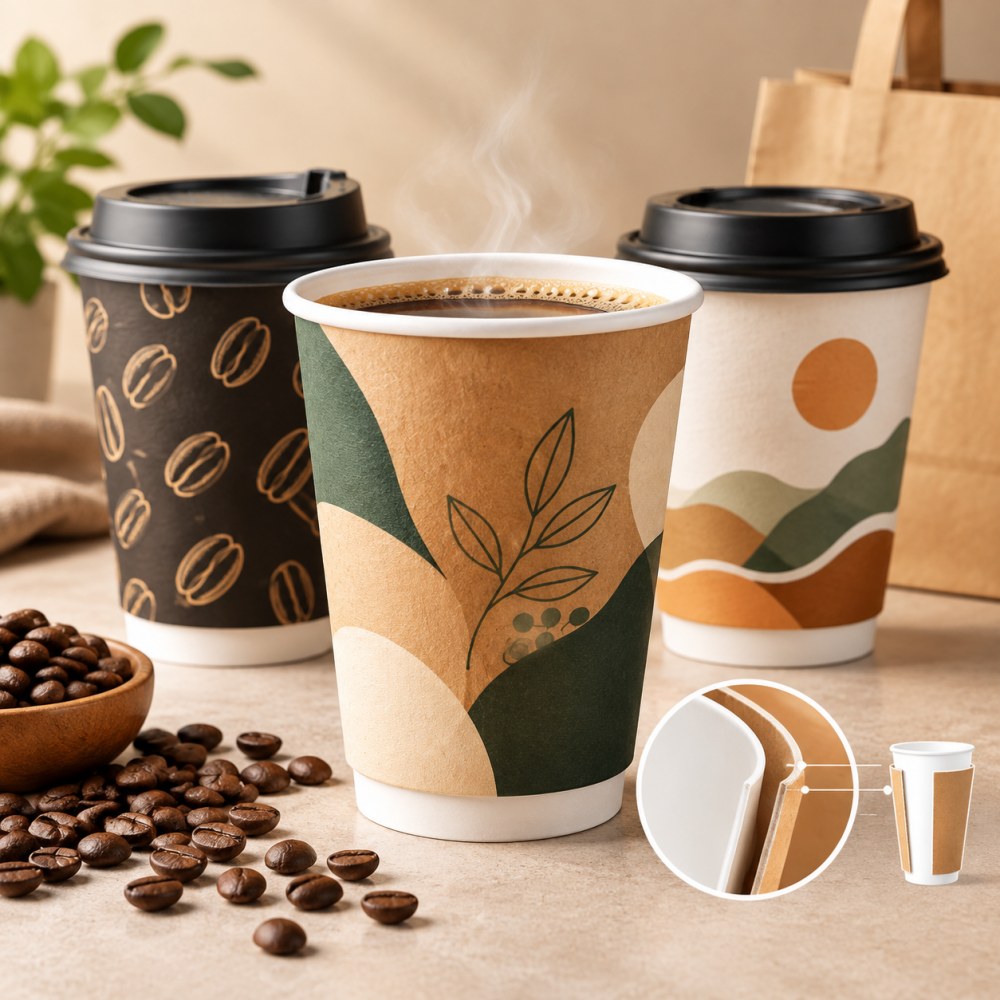
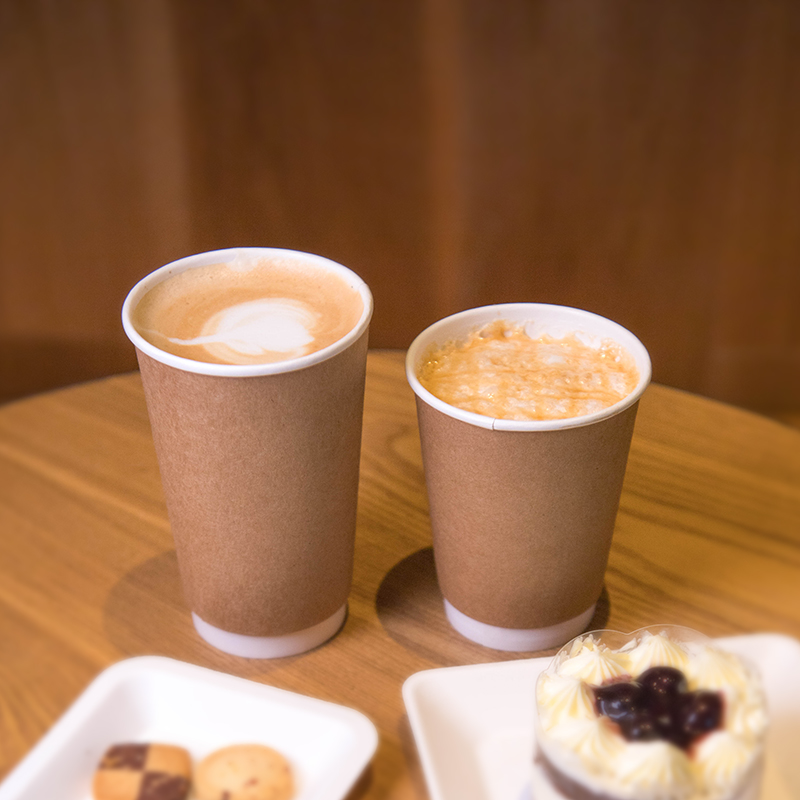
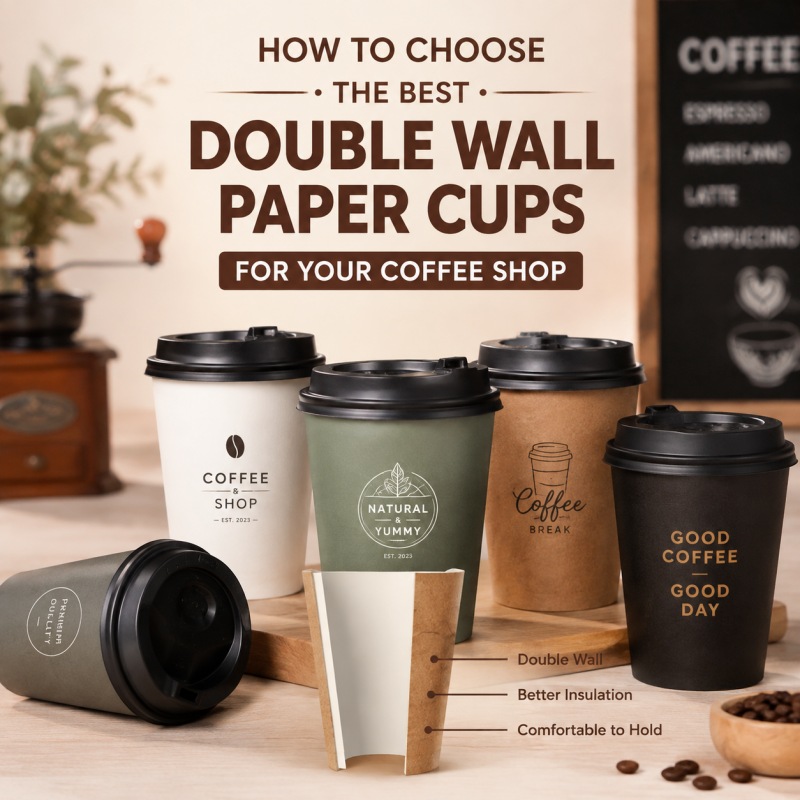
    As a coffee shop owner, your drinkware directly shapes customer satisfaction, brand perception, and daily operational safety. Hot coffee demands containers that protect hands while keeping beverages warm. Choosing high-quality double wall paper cups requires careful evaluation of five essential factors: heat insulation performance, structural durability, lid fitment, custom branding capability, and unit cost. Evaluating physical cup construction prevents costly cafe accidents. Weak sidewalls collapse easily under pressure, and ill-fitting lids cause messy spills. Furthermore, poor insulation forces customers to use extra sleeves, driving up expenses. Inspecting paper firmness, seam tightness, and rim consistency ensures your takeaway cups deliver a safe, premium experience.   Key Takeaways Double wall paper cups keep drinks hot longer and protect customer hands without extra sleeves. High-density paperboard and tight rims prevent messy leaks, cup collapses, and burn accidents. Standardized top rim sizes save valuable storage space and speed up busy coffee service. Custom printed eco-friendly cups improve your brand image and protect the environment.   Evaluate Insulation and Material Quality Advantages of Double Wall Paper Cups You improve daily cafe operations when you select double wall paper cups for your hot beverage menu. The outer paper layer creates an insulating air gap that slows heat loss. This clever physical structure protects your customers' hands from high beverage temperatures. You eliminate the need for separate cardboard sleeves entirely. Removing extra sleeves saves valuable back-of-house storage space. Eliminating sleeves also cuts down drink preparation time during morning rush hours. Proper heat insulation ensures a premium drinking experience for every customer. Superior heat retention maintains your specialty coffee at optimal serving temperatures longer. Extended Thermal Duration: Double-wall paper cups maintain drink temperatures effectively for 20 to over 30 minutes, whereas single-wall alternatives lose heat much faster, lasting only about 10 to 15 minutes. Insulation Mechanism: The structural design incorporates an intentional air gap between two layers of paper, which functions as an insulating barrier that minimizes heat conduction. Metric / Thermal Property Performance Gain of Double-Wall vs. Single-Wall Key Observation / Test Detail Overall Insulation Improvement ~60% better Measured when filled with 95°C hot water Outer Wall Surface Temperature 33%–40% reduction (24°C–27°C lower) Maintains surface near 50°C instead of >80°C Effective Thermal Conductivity 44% lower Trapped 3–5mm air layer approaches air's thermal conductivity Heat Transfer / Temp Rise Rate Reduced to 41.7% of single-wall rate Significantly slows down heat loss over time Using double wall paper cups protects customer comfort while maintaining beverage taste over time. Your customers enjoy hot drinks safely without burning their fingers.   Paper Density and Wall Structure Paperboard density directly dictates physical cup strength and thermal retention. Packaging manufacturers measure paper weight in grams per square meter (GSM). High paperboard GSM prevents sidewall softening when hot liquid fills the container. Choosing a robust disposable double-walled coffee cup keeps structural integrity intact throughout long customer commutes. You must select appropriate thickness ranges for both interior and exterior walls to guarantee maximum product durability in daily cafe operations. High density paperboard provides rigid wall support during daily customer handling. Layer Recommended GSM Range Inner Wall 180 – 250 GSM Outer Wall 200 – 300 GSM Combining these heavy paperboard layers creates a sturdy rigid frame. Higher density paperboard effectively resists internal moisture absorption over time. Proper thickness keeps cup sidewalls firm during firm squeezing. Firm sidewalls protect your customers from accidental cup collapsing or liquid spills. You maintain consistent drink presentation across every service shift by ordering correct material densities. Durable cup walls prevent hot liquids from leaking through weakened paper seams.   Rim Rigidity and Leak Prevention A tightly rolled rim provides essential structural support to the upper cup edge. Firm rim rigidity prevents cup collapsing when customers apply downward pressure to attach drink lids. You safeguard your business against messy spill accidents by verifying rim tightness during sample evaluations. Precise rim circularity ensures an airtight lid seal for busy on-the-go patrons. Uniform rim dimensions stop liquid seepage along side seams during transport. Premium double wall paper cups maintain shape under heavy use, ensuring safe transport for every hot beverage you serve. Strong rims retain structural integrity under continuous handling. You build customer trust when your drink packaging prevents accidental burn injuries and clothing stains. Quality testing guarantees reliable lid fitment across high-volume daily beverage sales.   Select Sizes and Compatible Lids Matching Capacities to Menu Items Selecting correct cup capacities protects original beverage flavor profiles and increases overall customer satisfaction. In North America, offering 4 oz, 8 oz, 12 oz, and 16 oz options covers about 95% of typical menu orders. Core drivers like 12 oz and 16 oz sizes represent 65%–75% of total daily cup volume. Continental European specialty menus rely on a standard 200–300 ml range for takeaway orders, with ~400 ml acting as maximum menu capacity. Matching physical cup volumes preserves intended coffee recipes. An 8oz double wall paper cups design holds cappuccinos within 150–200ml total volume, maintaining rich espresso taste without milk dilution. A 12oz cup holds double espresso shots alongside 250–270ml of steamed milk with proper headroom. Furthermore, a 16oz size accommodates large lattes and cold ice displacement effortlessly.   Securing Leak-Proof Lid Fits Precise lid fitment prevents hazardous drink spills and protects customer safety during busy morning commutes. You must evaluate physical snap-fit lid security against the top rolled rim profile of your chosen double wall paper cups. Strong rim engagement keeps lids anchored tightly when customers apply firm handling pressure. Proper lid closure maintains internal beverage temperature effectively and stops liquid seepage along side paper seams. Weak lid fitment causes dangerous liquid drips during active customer movement. Verifying tight lid seals across daily sample batches protects customer clothing and maintains high service standards.   Standardizing Rim Diameters Standardizing top rim diameters improves daily operational efficiency across your entire beverage menu. Utilizing standardized rim sizes reduces your required cup storage footprint by an estimated 15–20%. Baristas grab universal lid designs quickly during rush periods without searching through matching size variants. Eliminating redundant lid SKUs lowers overall working capital tied up in unused storage inventory. Streamlining rim profiles minimizes drink preparation mistakes during peak operational sales shifts. Equipping your business with a uniform disposable double-walled coffee cup setup speeds up order fulfillment consistently.   Choose Sustainable Double Wall Paper Cups Eco-Friendly Lining Options You must select correct eco-friendly lining materials to reduce environmental impact. Modern cafes prefer sustainable barrier coatings on double wall paper cups over traditional plastic linings. Feature PLA Coating Aqueous Coating Environmental Breakdown Requires industrial composting streams; degrades within 3–6 months. Plastic-free; home or soil compostable; easily recyclable. Thermal Performance Tends to soften above 80°C. Offers high heat resistance. Official certifications verify eco-friendly claims for your shop. Look for BPI certification following ASTM D6868 or ASTM D6400 standards in North America. European markets recognize TÜV Austria testing standards like OK Compost INDUSTRIAL and OK Compost HOME under EN 13432. These certifications guarantee full biodegradation within commercial composting facilities.   Custom Branding with Elements You convert standard drinkware into powerful promotional assets using Elements packaging solutions. Strategic visual design strengthens business identity across every service shift. Converting everyday takeaway items into mobile billboards shifts packaging from a standard operational expense into a strategic marketing investment that enhances brand recognition and fosters long-term customer loyalty. Custom logo printing builds strong brand recall during morning rushes. Customers carrying a customized disposable double-walled coffee cup act as walking advertisements across offices and public transit. Aesthetic packaging also inspires patrons to post photos on social media channels, generating organic marketing reach.   Print Quality and Surface Finishes Selecting advanced printing methods ensures crisp graphics on smooth outer cup walls. Offset Printing: Delivers sharp graphics alongside high color fidelity using precise Pantone color matching. Embossing & Foil Stamping: Provides a tactile finish that adds an elegant look to custom packaging. Food-safe soy and water-based inks deliver vibrant imagery while maintaining strict safety standards. These specialized inks offer thermal stability and appropriate viscosity, so pigments never degrade during hot beverage sales. Strong ink adhesion prevents smudging on customer hands, keeping your printed branding clear and professional.   Analyze Total Cost and Supplier Logistics Calculating True Unit Cost You evaluate total packaging expenditure by looking beyond the base purchase price. Investing in double wall paper cups eliminates the extra cost of separate cardboard sleeves entirely. You calculate actual item expenses using a plain formula: total unit cost = combined cup and freight expense / total volume. Sourcing requirements depend directly on your custom branding goals. Plain stock cups require baseline order volumes between 1,000 and 5,000 units. Basic custom logo prints raise minimum orders to 10,000 units. Complex full-color designs demand larger runs between 30,000 and 50,000 units due to factory printing constraints.   Managing Order Quantities and Storage Safe warehouse protocols preserve the structural strength of every disposable double-walled coffee cup shipment. You store inventory within a temperature range of +5°C to +25°C while maintaining ambient relative humidity near 55%. Humidity levels above 60% cause mold growth, while levels under 40% make paper brittle. You allow new stock to adjust inside sealed packaging for 2 to 4 days before opening. Proper stacking prevents carton damage during seasonal climate shifts. You maintain a clearance distance of at least 45 cm between product stacks and exterior walls to promote air circulation.   Choosing Reliable Supply Partners Partnering with dependable supply vendors like Elements protects your daily cafe operations from inventory shortages. You demand high performance standards, including a minimum 95% on-time delivery rate. Written service level agreements guarantee consistent restocking schedules for your business. Strict quality control protocols keep defective products off your service counter. You verify that your supplier maintains an acceptable quality level with an AQL under 0.4% defect threshold. Physical sample testing across separate production runs confirms rim tightness and wall strength before you sign long-term supply contracts.   Selecting ideal double wall paper cups requires careful evaluation of key performance factors: Superior thermal insulation maintains safe outer temperatures using an integrated air gap. Smooth interior linings prevent sogginess, while high paperboard density maintains structural rigidity. Precise rim dimensions prevent leaks, and FSC-certified paper supports environmental sustainability. Non-smudge custom printing using food-safe inks enhances brand visibility on takeaway orders. Audit your current drinkware inventory today. You should request sample kits from Elements to evaluate physical cup quality, heat retention, and lid security directly. Contact Elements now to place an order that aligns with your daily operational needs and budget goals.   FAQ Why should you choose double wall paper cups over single wall cups with sleeves? Double wall paper cups feature an integrated air gap that improves thermal insulation by about 60%. This design eliminates separate cardboard sleeves entirely, saving valuable back-of-house storage space and speeding up drink preparation during peak morning rush hours while keeping customer hands comfortable. What minimum order quantities should you expect for a customized disposable double-walled coffee cup? Order minimums depend directly on your design requirements. Plain stock cups require baseline orders between 1,000 and 5,000 units. Basic custom logo prints raise minimum order quantities to 10,000 units, while full-color custom artwork requires larger runs between 30,000 and 50,000 units. How long do double wall paper cups keep hot beverages warm? Quality double wall paper cups maintain serving temperatures effectively for 20 to over 30 minutes. The trapped air layer lowers effective thermal conductivity by 44%, slowing drink heat loss significantly compared to single-wall alternatives that lose warmth within 10 to 15 minutes. How do you verify eco-friendly claims for your disposable double-walled coffee cup inventory? You verify sustainability claims by checking product certifications directly. Look for BPI certification following ASTM D6868 or ASTM D6400 standards in North America. For European distribution, confirm TÜV Austria ratings such as OK Compost INDUSTRIAL under EN 13432 to ensure full commercial breakdown.
  • The Ultimate Guide to Water-Based Barrier Coating for Paper Cups The Ultimate Guide to Water-Based Barrier Coating for Paper Cups Jul 29, 2026
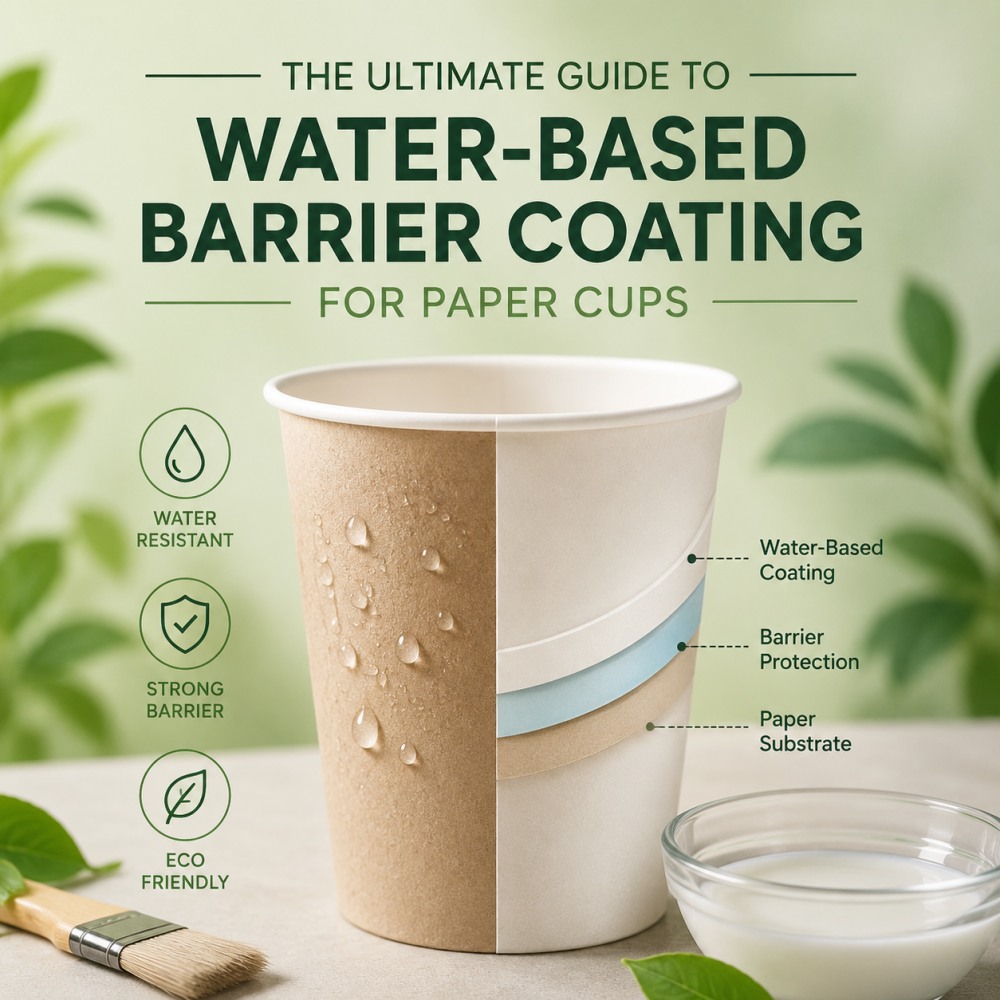
    You see water based coating paper cup solutions gaining attention because they use innovative, plastic-free technology. This approach supports the move from plastic to paper food packaging. Water-based coatings help you meet strict environmental standards. Recent regulations push for eco-friendly materials. Regulation Impact on Water-Based Coatings SUPD Promotes compliance with recycling standards, encouraging environmentally friendly materials. PPWR Drives the shift towards materials that align with circular economy principles, reducing compliance risks. You can choose options that comply with SUPD and PPWR, using bio-based materials for a sustainable future.     Key Takeaways Water-based coatings provide a plastic-free solution for paper cups, aligning with environmental regulations and reducing plastic waste. These coatings enhance recyclability, allowing cups to be processed with regular paper, which helps minimize landfill waste. Water-based coatings improve food safety by avoiding harmful chemicals and reducing the risk of microplastics in beverages. Choosing water-based coatings supports a positive brand image, appealing to consumers who prioritize eco-friendly products. Investing in water-based coating technology can lead your business towards sustainability while maintaining product performance.   What Is Water Based Coating Paper Cup? How Water-Based Barrier Coating Works You may wonder how a water based coating paper cup achieves its protective qualities without plastic. The answer lies in the dispersion technique. Manufacturers apply a liquid water-based dispersion directly onto the paperboard. This layer dries to form a thin, flexible barrier that keeps liquids from soaking through the cup. The process does not require a plastic film, which makes the cup easier to recycle. The chemical makeup of the dispersion is important. It contains emulsifiers and hydrophobic materials. These ingredients work together to block water, grease, and oil. You get a cup that holds both hot and cold drinks without leaking. The absence of a plastic film means you can recycle these cups in standard paper streams. This method supports the growing demand for water barrier coated cups and sustainable packaging. Tip: The dispersion technique not only improves recyclability but also helps you meet strict environmental standards. Key Benefits for Food Packaging Switching to a water based coating paper cup brings several advantages for food packaging. First, you avoid plastic entirely. The coating dissolves back into water during recycling, so it does not create microplastics. This feature allows you to recover up to 99% of the paper fibers, making the cup fully recyclable. You also meet the requirements of regulations like SUPD and PPWR, since the coating does not count as a plastic layer under EU rules. Here are some key benefits you gain when you choose a water based coating paper cup: Plastic-Free Solution: You eliminate the need for traditional plastic films, which helps your business align with new environmental laws. High Recyclability: The coating allows almost all paper fibers to be recovered, so you can recycle these cups with regular paper products. Improved Compostability: The coating breaks down more easily than plastic, which supports better waste management and composting. Enhanced Performance: The barrier resists water, grease, and oil, so your drinks and foods stay contained without leaks or soggy paper. You play a role in reducing plastic waste and supporting a circular economy when you use barrier coating for paper cups. This approach also helps you build a positive brand image. Customers notice when you choose eco-friendly options like paper cup coating. As more businesses and consumers look for sustainable choices, water based coating paper cup solutions stand out as a smart and responsible option.   Water-Based vs PE and PLA Coatings Composition and Application Differences You need to understand how the materials in paper cup coatings differ. Water-based coatings use a blend of water, natural materials like starch and cellulose, minerals, and some synthetic polymers. PE coatings rely on polyethylene, a type of plastic. PLA coatings come from renewable resources such as corn starch. Here is a table that shows the differences in composition and application: Coating Type Composition Details Environmental Impact Performance Characteristics Water-Based Blend of water, natural materials (starch, cellulose), minerals, synthetic polymers Biodegradable, eco-friendly Compostable, suitable for various applications PE Polyethylene Non-biodegradable, recycling challenges Excellent moisture and grease resistance PLA Derived from renewable resources (corn starch) Biodegradable under industrial composting Food grade, high strength, resistance to heat, water, and grease You see that water-based coatings offer a plastic-free solution. You can apply them directly to paperboard using a dispersion technique. PE and PLA coatings require extrusion or lamination, which adds complexity to manufacturing. Water-based coatings make recycling easier because they do not create microplastics. Another table highlights application differences: Coating Type Durability Environmental Impact Cost Compostability Ideal Use Case PE High Poor Low No Cost-driven mass production PLA Medium Good Medium Industrial composting Sustainable brands Water-Based Medium Excellent Medium-High Yes Eco-friendly packaging You can see that water-based coatings fit best for eco-friendly packaging and brands that value sustainability. PE coatings suit mass production where cost matters most. PLA coatings work for brands that want renewable materials but need industrial composting.     Efficiency and Performance You want your paper cup coating to perform well and stay cost-effective. PE coatings offer the lowest cost and excellent performance. PLA coatings cost more but provide good strength and resistance. Water-based coatings cost the most but match PE in performance. Here is a comparison table: Feature PE Coating PLA Coating Water-Based Coating Cost Lowest Medium Highest Performance Excellent Good Excellent You notice that water-based coatings deliver excellent performance. They resist water, grease, and oil, making them suitable for hot and cold drinks. PE coatings have high durability and moisture resistance. PLA coatings offer moderate durability and moisture resistance. Another table shows performance metrics: Coating Type Durability Moisture Resistance Environmental Impact PE High Excellent Moderate PLA Medium Moderate High Water-Based Medium Low Very High You see that water-based coatings excel in environmental impact. PE coatings last longer and resist moisture better, but they pose recycling challenges. PLA coatings perform well but need special composting facilities. Note: Water-based coatings help you meet strict environmental standards without sacrificing performance. You can use water barrier coated cups for a wide range of beverages and foods.   Environmental Impact You want to choose a coating that supports sustainability. Water-based coatings stand out because they work with modern recycling systems. You can recycle them with regular paper, which enhances their recyclability. PE coatings create recycling challenges, and PLA coatings need industrial composting. Water-based coatings can be repulped during recycling. You reduce waste and maintain cup strength. You find water-based coatings more compatible with recycling systems than PE and PLA coatings. Water-based coatings lower the environmental footprint. You enable better recycling and reduce energy use during production. PLA coatings require industrial composting. PE coatings are difficult to recycle and pose sustainability challenges. You play a key role in reducing waste when you choose barrier coating for paper cups. Water-based coatings support a circular economy and help your business meet environmental goals. Customers appreciate eco-friendly choices like water based coating paper cup solutions. You build trust and show responsibility by selecting sustainable packaging.   Food Safety and Microplastics Food Contact Safety Standards You want your water based coating paper cup to meet strict food safety standards. Manufacturers design these coatings to avoid harmful chemicals. You can see the main features in the table below: Feature Description Non-toxic Water-based coatings are free from harmful chemicals like PFAS, BPA, and VOCs. Biodegradable These coatings are eco-friendly and compostable, making them sustainable. Moisture and oil resistance They provide high resistance to moisture and oil, essential for food safety. You can trust water barrier coated cups to protect your drinks and foods. These coatings resist moisture and oil, so your food stays safe. You avoid exposure to toxic substances. You also support sustainability because the coatings break down naturally. Tip: Always check if your paper cup coating meets recognized food contact standards. This helps you ensure safety for your customers. Studies show that migration of chemicals depends on the type of food and the medium. You can see the findings in the table below: Study Findings Key Factors Influencing Migration Xu et al. (2010) Phthalate migration varied significantly, with higher rates in edible oils compared to mineral water. Lipophilic properties of food Baele et al. (2020) Higher migration levels in high-fat foods like chocolate and biscuits. Fat content of food Kubwabo et al. (2009) BPA migration rates differed between ethanol and water, indicating medium influence. Medium of contact (water vs. ethanol) You see that water-based coatings minimize migration risks, especially when compared to plastic linings.   Microplastics and Health Concerns You want to avoid microplastics in your barrier coating for paper cups. Water based coating paper cup solutions help you achieve this goal. Here are the main ways these coatings address microplastic concerns: The elimination of polyethylene (PE) plastic linings reduces the risk of microplastics being released into beverages. Water-based coatings use safe materials for food contact and do not leach harmful chemicals. These coatings are compostable and recyclable, contributing to sustainability and reducing plastic waste. Microplastics pose health risks. You should know the facts: Microplastics can release harmful chemicals like phthalates, PFAS, and BPA into food, which are known endocrine disruptors. These chemicals have been linked to various health issues, including cancer and reproductive problems. A 2023 study indicated that prenatal exposure to phthalates can lead to behavioral and learning disorders in children. Microplastics have been detected in various human body parts, raising concerns about their health impacts. You protect your customers when you choose water barrier coated cups. You reduce the risk of microplastics and harmful chemicals. You also support a healthier environment with sustainable paper cup coating options.   Recyclability and End-of-Life Recycling Water Based Coating Paper Cup You can recycle water based coating paper cup products easily. These cups fit into standard paper recycling streams. Facilities sort them alongside regular paper, and you do not need extra treatment. The recycling technology already exists, so you can repulp these cups without difficulty. Many recycling centers classify them under the PAP 22 code, which means you avoid complex separation steps. You help reduce landfill waste when you choose water barrier coated cups. Cup Type Recycling Capability Water-Based Coated Cups Can be recycled in standard paper streams PE-Coated Cups Cannot be recycled due to the plastic layer PLA-Coated Cups Faces recycling issues similar to PE   Compostability and Biodegradability You support composting and biodegradation when you select barrier coating for paper cups. Water-based coatings break down naturally. You can compost these cups at home or in industrial facilities. The coating dissolves in water and integrates with paper fibers, so it does not leave harmful residues. You improve waste management and help create nutrient-rich compost. PE-coated cups do not compost, and PLA-coated cups require special industrial composting. Tip: Always check local composting guidelines to ensure proper disposal of paper cup coating products.   End-of-Life Comparison You make a positive environmental impact when you choose water barrier coated cups. The end-of-life outcomes differ for each coating type. Water-based cups recycle or compost easily. PE-coated cups usually end up in landfills. PLA-coated cups need industrial composting and often face recycling challenges. Aspect Water-Based PE-Coated PLA-Coated Recyclability High in paper streams Low/specialized Limited Compostability Yes None Industrial only Common End Recycle/compost Landfill Landfill/compost Water-based barrier coated cups are fully water-soluble and integrate with fiber. You can dispose of them in standard mixed-paper or cardboard recycling bins. You help close the loop in packaging sustainability when you use water based coating paper cup solutions. You support recycling, composting, and a cleaner environment.   Real-World Performance Barrier Properties and Liquid Holdout You expect water barrier coated cups to keep drinks contained without leaks. Water-based barrier coatings form a strong layer on the paperboard. This layer prevents water from soaking through, even with hot or cold beverages. You can rely on these cups for coffee, tea, or juice. The coating maintains the cup’s shape and strength, so you avoid soggy paper and spills. Manufacturers design water based coating paper cup products to match the performance of traditional plastic linings. You get reliable liquid holdout and a sustainable solution. Tip: Water-based coatings help you serve drinks confidently, knowing the cup will not fail during use.   Grease and Oil Resistance You need barrier coating for paper cups that can handle greasy foods and oily drinks. Water-based barrier coatings create a plastic-free shield that resists grease, oil, and water. You find that these coatings perform as well as polyethylene, keeping liquids and oils inside the cup. The barrier composition gives substantial resistance to oil and grease, so you avoid leaks and stains. Description Type of Resistance The coating resists water, oil, and grease. Substantial resistance Water, oil, and grease cannot easily go through the barrier coating. Effective barrier The barrier composition gives resistance to oil, grease, and water. Effective barrier You can use water based coating paper cup solutions for beverages with fatty acids. The cups maintain their structure and prevent leaks, even with oily substances. Compared to polyethylene coatings, water-based options are easier to recycle and more eco-friendly.   User Experience You notice several benefits when you choose water barrier coated cups. The water-based dispersion coating protects paper from moisture and supports composting or recycling. You do not need to separate layers, which simplifies disposal. These cups meet strict safety standards and receive FDA approval for food contact. Businesses appreciate the appeal of compostable and recyclable materials. Innovations in renewable resources and water-based barrier systems enhance sustainability. Water-based coating is eco-conscious and protects paper from moisture. Cups can be composted or recycled without separating layers. Approved for food contact by the FDA. Higher production costs due to complex application. May not suit all products, such as carbonated beverages. You help your business stand out by using paper cup coating that supports environmental goals. Customers value the sustainable choice and enjoy a reliable, safe drinking experience.   Regulatory Compliance Global Regulations Overview You need to understand the global regulations that affect water based coating paper cup solutions. These rules help you ensure safety and sustainability for your products. Many countries set strict standards for food contact materials. You see agencies like the FDA in the United States and EFSA in Europe leading the way. Brazil uses ANVISA, while South America follows Mercosur guidelines. National regulations in Germany, Switzerland, and Canada also play a role. Regulation Description FDA United States Food and Drug Administration regulations for food safety. EFSA European Food Safety Authority regulations applicable in the EU. ANVISA Brazilian Health Regulatory Agency standards. Mercosur Regulations from the South American Common Market. National regulations Various national regulations from countries like Germany, Switzerland, and Canada. You must check these regulations before choosing a barrier coating for paper cups. Each region sets its own requirements for paper cup coating and water barrier coated cups. You protect your customers and your business by following these rules.   Certifications and Standards You want your water based coating paper cup to meet recognized certifications and standards. These certifications show that your products are safe for food contact and meet environmental goals. You should look for compliance with FDA 176.170 for direct food contact in North America. In Europe, Bfrxxxvi is the standard for direct food contact. Your cups must also show heat resistance up to 176°F. FDA 176.170 compliance for North America Bfrxxxvi compliance for Europe Heat resistance up to 176°F You can ask suppliers for certificates and test reports. These documents prove that your water barrier coated cups meet all safety and quality standards. You build trust with customers when you use certified barrier coating for paper cups. You also avoid legal risks and support sustainable packaging. Tip: Always verify certifications before sourcing paper cup coating solutions. This step helps you ensure compliance and quality.   Choosing the Right Solution Assessing Business Needs You need to evaluate your business requirements before selecting a water based coating paper cup solution. Start by considering key criteria that affect both performance and sustainability. The table below helps you compare important factors: Criteria Description Packaging approval requirements Focus on material composition and recyclability early in design. Recycling and fiber recovery focus Choose coatings that support fiber recovery and fit recycling systems. Water-based coating adoption Look for solutions that apply easily on existing production lines. Multifunctional coating solutions Seek coatings that protect against grease, moisture, and allow heat sealing in one layer. Sustainable foodservice packaging Select coatings that boost performance and support recycling goals. Low-coating-weight technologies Prefer coatings that deliver barriers with less material and lower drying needs. Lengthy approval process Ensure coatings perform well during production and storage to avoid delays. Food-contact compliance requirements Confirm coatings meet food safety and regulatory standards for your market. Production efficiency challenges Check for suitable drying capacity and stable conditions for water-based coatings. You should also weigh procurement considerations. Water-based coatings are eco-friendly and break down easily in nature, reducing waste. However, they often cost more than traditional PE coatings. Some coatings may not match PE in heat or grease resistance, which can limit use for certain foods or drinks. Availability may be limited, so sourcing can take extra time. Always consider regulatory readiness, product safety, heat performance, and how consumers view your packaging.   Sourcing and Supplier Tips When you source water barrier coated cups or barrier coating for paper cups, ask suppliers detailed questions to ensure you get the right product. Use the table below to guide your discussions: Supplier Claim Follow-Up Question “Hot cup grade” What beverage temperature, hold time, and cup format was this designed for? “Food grade” Which product, coating, use condition, and target market does the documentation cover? “Compostable” What certification or test evidence supports this, and does it apply to the full cup and coating? “Recyclable” In which market or collection system is this claim intended to apply? “Leakproof” What testing method or service condition supports the claim? “Suitable for coffee” Does that include milk-based, sweetened, or extended-hold beverages? “Eco” or “sustainable” Which specific attribute is being claimed, and what evidence supports that wording?   You should request certifications and test reports for any paper cup coating. Brands like elementscup provide documentation for food safety, compostability, and recyclability. This helps you verify claims and ensures your water based coating paper cup meets all standards. By asking the right questions, you can confidently choose water barrier coated cups that align with your business goals and sustainability values. You gain several advantages when you choose water based coating paper cup solutions: Water barrier coated cups offer a plastic-free, recyclable option that meets food safety standards. You help reduce landfill waste by allowing cups to be sorted with regular paper. Barrier coating for paper cups supports your brand’s environmental goals and aligns with consumer demand for eco-friendly products. Solenis and other providers offer paper cup coating technologies that match traditional performance while improving sustainability. You can invest in equipment, secure renewable materials, and educate customers to support your transition. By adopting these solutions, you lead your business toward a greener future.   FAQ What makes a water based coating paper cup different from a regular paper cup? You get a water based coating paper cup that uses a plastic-free barrier. This coating keeps liquids inside the cup. Regular paper cups often use plastic linings, which make recycling harder. Can you recycle water barrier coated cups with regular paper? Yes, you can recycle water barrier coated cups in standard paper streams. The coating dissolves during recycling, so you recover most of the paper fibers. Always check your local recycling guidelines. Are barrier coating for paper cups safe for hot drinks? You can safely use barrier coating for paper cups with hot beverages. These coatings resist heat and prevent leaks. Manufacturers design them to meet strict food safety standards. Do paper cup coating solutions contain harmful chemicals? No, paper cup coating solutions avoid harmful chemicals like PFAS and BPA. You get a safe product for food contact. Always ask your supplier for safety certifications. How do water based coating paper cups help the environment? You help the environment by choosing water based coating paper cups. These cups reduce plastic waste, support recycling, and break down more easily than plastic-lined cups. Customers notice your commitment to sustainability.
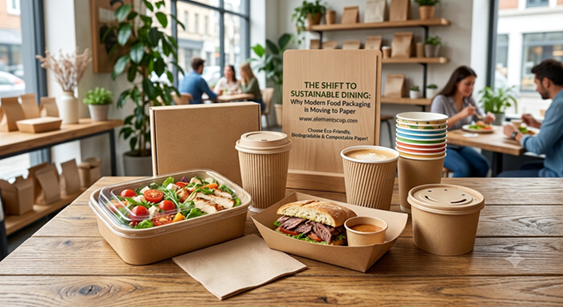
  • 向可持续餐饮转型:为什么现代食品包装正转向纸质包装? 向可持续餐饮转型:为什么现代食品包装正转向纸质包装? Jul 26, 2026
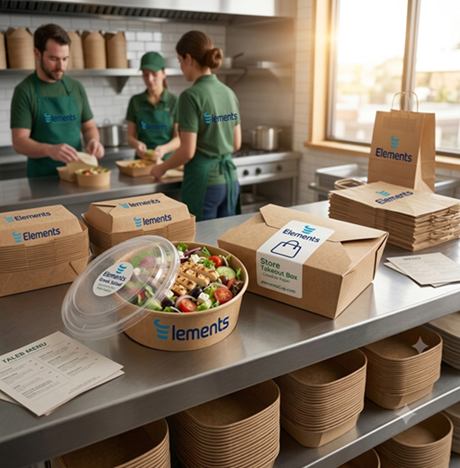
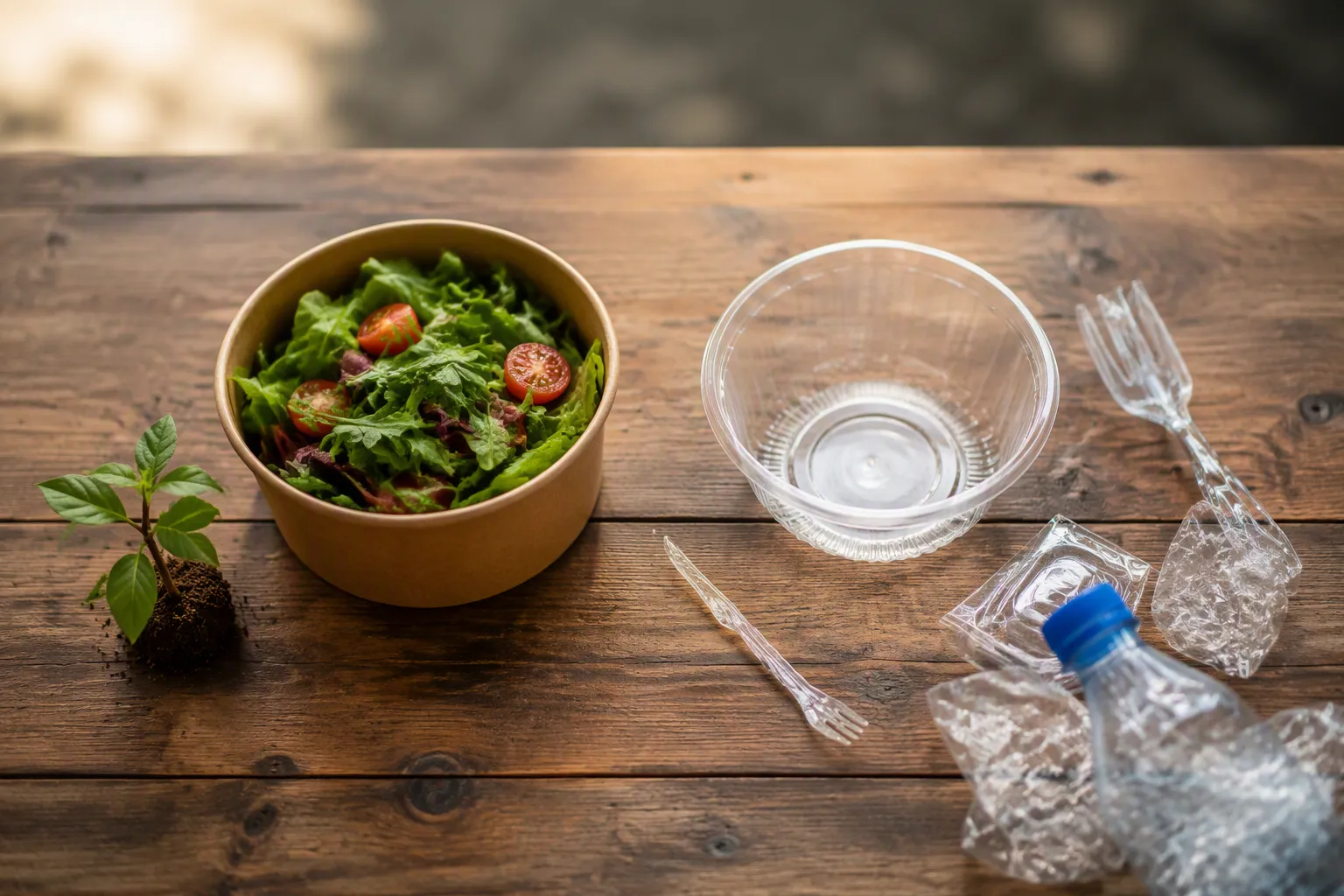
    在当今的餐饮服务行业,外卖和自取不再只是可有可无的便利服务,而是企业成功的核心要素。然而,随着外卖订单量的增长,消费者对包装浪费的关注度也日益提高。由于环境问题和政府监管的日益严格,传统的单次使用塑料和聚苯乙烯(泡沫塑料)容器正在全球范围内迅速被淘汰。 对于餐馆、咖啡馆和餐饮企业来说,改用可持续纸质包装不再仅仅是一种潮流,而是一项至关重要的商业战略。 1. 环境保护势在必行:告别一次性塑料 传统塑料容器需要数百年才能分解,最终形成微小碎片,污染生态系统和海洋。相比之下,纸质食品包装则源自可再生资源,例如经FSC认证的森林木浆和速生竹纤维。 当与现代环保型阻隔材料(例如水性阻隔涂层或PLA(聚乳酸)植物基内衬)结合使用时,纸质容器可提供以下优势: 工业和家庭可堆肥性: 自然分解,不留有毒残留物。 减少碳足迹: 与石油基塑料相比,其整个生产生命周期内的温室气体排放量更低。 不含 PFAS 的安全保障: 消除有害的含氟“永久性化学物质”,同时保持耐油防水性能。 2. 高性能与实用性兼备 过去人们普遍误认为纸质容器无法承受油腻或高温液体的侵蚀。但如今的制造工艺创新彻底改变了这一现状: 防漏汤杯和饮料杯: 双层和波纹纸杯无需额外杯套即可为热饮提供卓越的隔热性能,而特制纸杯盖则确保紧密、不漏水的密封。 耐油脂和防水: 天然牛皮纸食品盒和分格便当盒涂有食品级防水涂层,可防止肉汁和油脂渗漏,保持容器不湿软。 微波炉和烤箱安全须知: 与高温下会变形或渗出化学物质的塑料容器不同,高规格纸质食品碗可以安全地进行再加热。 3. 通过定制化提升品牌形象 包装往往是顾客与外卖食品接触的第一个实物部位。普通的、没有品牌标识的塑料容器传递出商品的信息;而定制印刷、具有天然纹理的纸质包装则传递出……的信息。 质量、关怀和可持续性. 定制纸质包装可使餐饮服务品牌:   展示环保承诺: 在容器上直接标明您使用了可生物降解的材料。 提升演示效果: 透明窗口的饭盒和简洁现代的外形,突显了菜肴的色彩和新鲜度。 建立品牌认知度: 鲜艳夺目、符合食品安全的定制标志和定制配色方案,让您的食品在社交媒体上令人难忘并乐于分享。 4. 为您的菜单选择合适的纸质包装 不同的菜肴需要量身定制的包装解决方案,以保持其温度、口感和视觉吸引力: 食品类别 推荐的纸张解决方案 主要优势 热饮和汤 双层纸杯和纸汤盒 隔热、防漏、不含 PFAS 沙拉和新鲜餐食包 牛皮纸窗口午餐盒和透明PET盖 视觉效果好,保鲜效果佳 汉堡、薯条和油炸食品 折叠式牛皮纸盒/透气纸板箱 酥脆质地保护,防油内衬 亚洲美食和便当 多格纸便当盒 防止串味 与 Elements Packaging 携手,开启您的环保之旅 在 元素包装我们生产全套环保型一次性包装解决方案,包括FSC认证纸杯、防水咖啡杯、牛皮纸食品盒、纸汤碗和可堆肥餐具。我们的定制OEM/ODM包装经久耐用,并充分考虑了环保因素,助力全球餐饮企业顺利转型,迈向可持续发展。 准备升级您的外卖包装吗? 立即联系我们的设计团队,索取定制样品并了解更多批发解决方案信息。
  • 小选择,大影响:环保外卖包装如何提升消费者忠诚度 小选择,大影响:环保外卖包装如何提升消费者忠诚度 Jul 18, 2026
    在当今的食品经济中,用餐体验并非在餐食打包送达后就结束了。现代消费者环保意识很强。当外卖送来时,如果包装层层叠叠都是不可回收的聚苯乙烯泡沫塑料或厚重的单次使用塑料,就会让人产生挥之不去的环保愧疚感。作为一家领先的纸质食品包装制造商,Elements Packaging密切关注着这种行为转变。如今,选择可持续包装不再仅仅是满足监管要求而已。—它是建立持久客户忠诚度的最有效工具之一。可持续包装的心理学当顾客打开精美的可生物降解纸质午餐盒或天然牛皮纸面碗,看到餐食时,他们对餐厅的印象会瞬间提升。高品质纸质食品包装的天然质感和简洁美感,传递着品牌价值理念:我们重视食材,也重视我们留给地球的遗产。许多消费者都在积极寻找符合其绿色环保理念的商家。事实上,提供可堆肥或易于回收的纸盒和纸袋能让商家获得竞争优势,从而吸引顾客再次下单。无缝功能与循环经济的契合快餐企业普遍担心环保替代品能否经受住外卖员和外卖平台的严苛考验。我们专门设计的微波炉适用纸容器和防油食品纸托盘证明,可持续性并非易事。这些产品经过精心设计,能够承受高堆叠载荷,保持温度,并防止渗漏。通过改用可自然降解或可无缝循环利用的可再生纸浆材料,您的食品企业能够积极减少温室气体排放,并减少垃圾填埋场的废物量。让我们携手合作,共同推动食品行业迈向更绿色、更可持续的未来。
  • 新的一年继续为您提供纸质食品包装解决方案 新的一年继续为您提供纸质食品包装解决方案 Jan 03, 2025
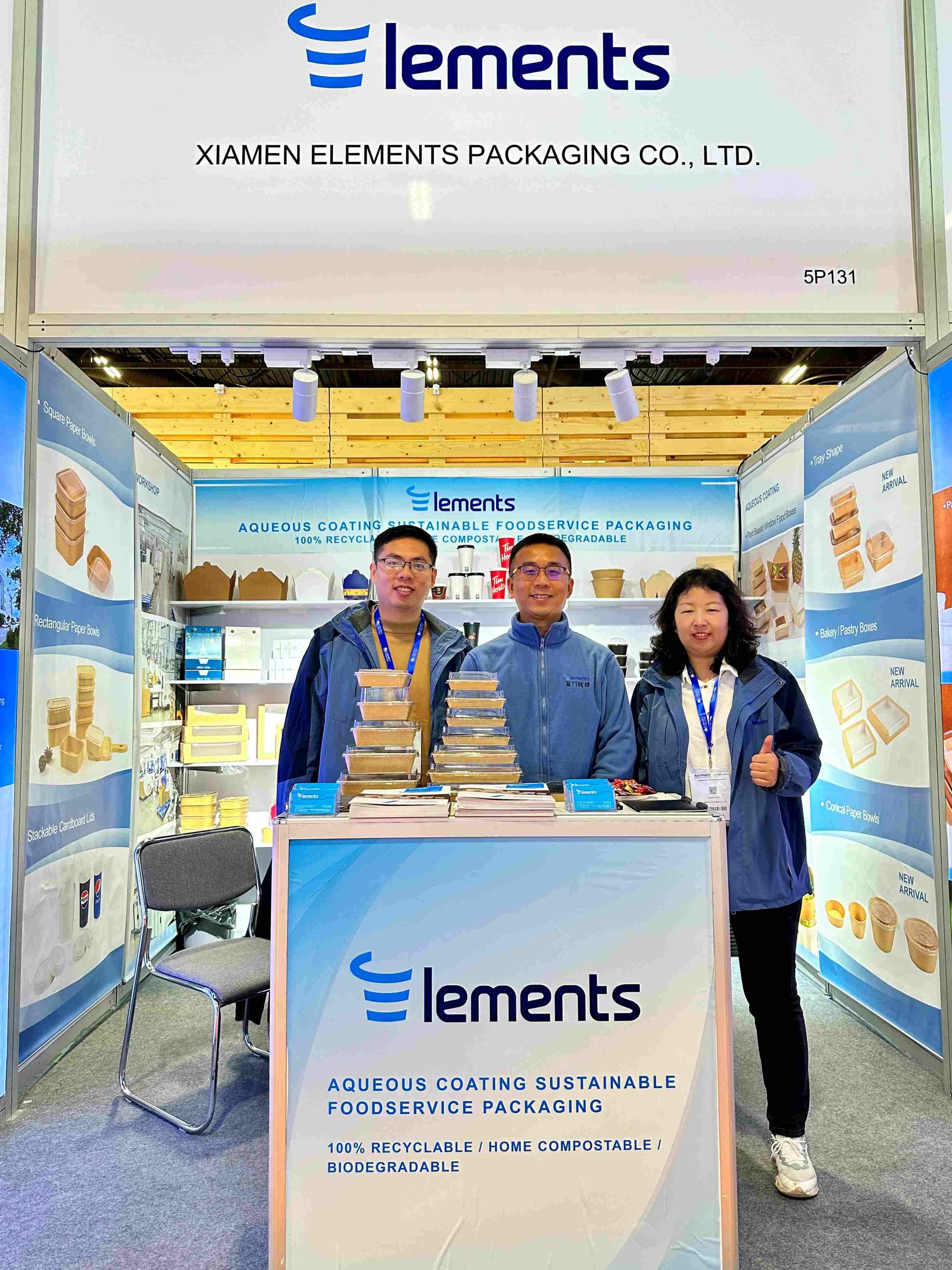
    新年伊始,我们回顾去年10月和11月参加的三届非凡的博览会,这是一次硕果累累的旅程。我们参加了著名的广州广交会、精彩纷呈的巴黎ALL4PACK展会、以及在迷人的沙特阿拉伯举行的沙特HORECA展会。 我们坚信可持续发展和绿色环保实践的价值观,认识到我们在培养与地球和谐共处方面不可或缺的作用。 我们致力于通过环保食品包装解决方案创造更美丽的地球,这是我们成功的动力。 这些即将举行的展览将成为我们推出更卓越的食品包装解决方案的平台,专为满足您的需求而量身定制。 在一个充满可能性的世界里,我们努力成为您坚定不移的合作伙伴,不断突破界限,不断发展,超越您的期望。 让我们一起踏上这段迷人的旅程,迈向创新和可持续发展至上的未来,体现我们共同愿望的精髓。  
  • 纸杯可以用来做什么? 纸杯可以用来做什么? Mar 06, 2024
    一次性纸杯 作为我们生活中必不可少的物品,它有什么用途呢?1.饮料:一次性纸杯通常用于盛装饮料。既可以盛装热饮,如咖啡、茶、热巧克力等,也可以盛装冷饮,如果汁、汽水、冰咖啡、冰淇淋、冰茶等。2.流质食品: 一次性纸杯 可用于装载粥、酸奶、奶昔、酱料等。3.固体食物:水果、沙拉、饼干、零食总而言之, 纸杯 非常灵活。您可以用它们来盛放您喜欢的任何饮料或食物。
  • 不同形状的沙拉碗为生活带来新鲜感 不同形状的沙拉碗为生活带来新鲜感 Mar 06, 2024
    出于实用性和稳定性的考虑, 一次性纸碗 市场上常见的设计为圆形。但为了满足一些特定场合的需要,我们还提供 方形纸碗 和 长方形纸碗。消费者可以根据实际情况自由选择自己想要使用的纸碗形状。以下是方形纸碗的优点:1、方便堆放和存放:方形纸碗堆放时更紧密、更稳定,占用空间更少,更方便存放和运输。2、容量大:方形碗的设计可以让它容纳更多的食物,可以放一些较长的食物,比如香肠、炸鱼等。3、多用途:除了盛放沙拉、午餐便当等外,还可以用来盛放异形蛋糕、甜甜圈、饼干等甜点。如果您想给生活带来一些新鲜感,并且在盛放食物时有更多的选择,欢迎购买我们不同形状的纸碗。
  • 一次性纸杯是公司茶水间和休息室的必备品 一次性纸杯是公司茶水间和休息室的必备品 Mar 06, 2024
    员工在办公时间需要保持水分和精神警觉,因此食品储藏室经常使用一次性杯子来盛放饮料。一次性纸杯具有以下优点:1、卫生安全。指某东西的用途 一次性杯子 食品储藏室中无需担心交叉污染或细菌滋生,有利于保护员工的健康,防止疾病传播。2、环保节能。 一次性纸杯 不仅在自然环境中容易降解,而且使用后还可以回收利用。这有效地减少了自然资源的消耗。3.重量轻,便于携带。与玻璃杯相比,纸杯重量轻且不易破碎,可以防止员工在杯子意外掉落时受到伤害。同时,纸杯不需要清洗,大大节省了时间和人力资源。4、多样化设计。一次性纸杯可印有企业标志和价值观,增加了展示品牌形象和企业文化的机会。总之,使用 一次性纸杯 茶水间和休息室兼顾卫生、环保、便利、宣传,有利于营造良好的工作环境,增强员工工作中的幸福感。
  • 什么是一次性咖啡纸杯? 什么是一次性咖啡纸杯? Dec 11, 2023
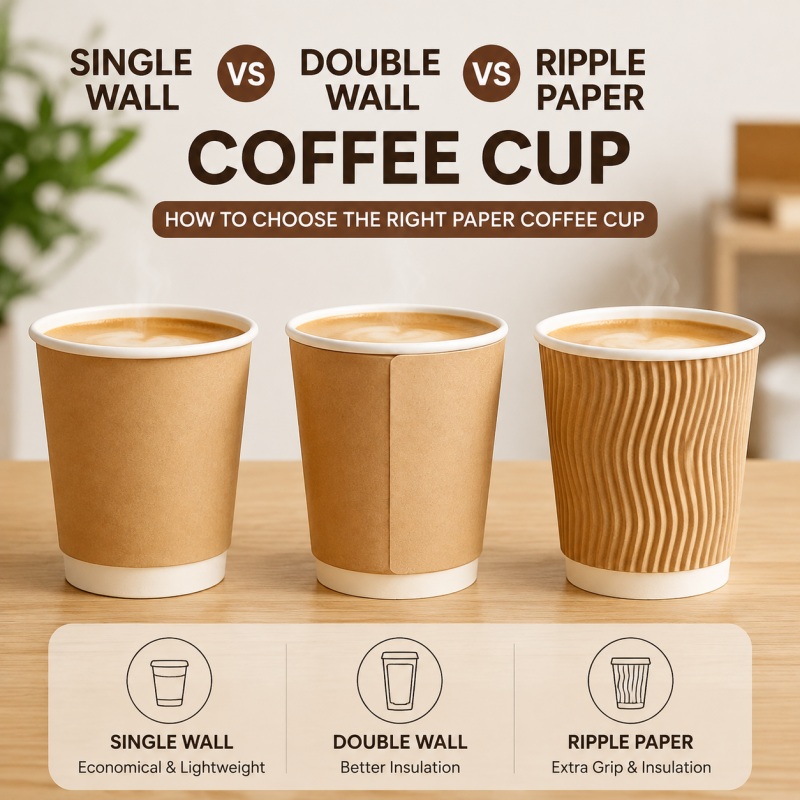
    一次性咖啡纸杯是用来盛放热饮或冷饮的纸杯,通常用于咖啡店、饮酒场所、餐饮店或其他外卖场所。它们通常具有一层或多层纸结构,杯子内侧有涂层,可以增加杯子的耐热性和防水性。一次性咖啡纸杯可分为单层杯、 双层杯, 波纹壁杯和 浮雕壁杯 根据不同的设计。其中,双层杯和 波纹壁杯 具有较好的隔热、保温效果。由于我们的一次性咖啡纸杯采用环保纸浆和环保涂层制成,使用后可以回收和降解,大大减少了对环境的影响。
  • 纸碗可生物降解吗? 纸碗可生物降解吗? Dec 11, 2023
    纸碗 通常由纸浆或纸材料制成,这使得它们可生物降解。纸张由天然纤维(例如木浆)制成,在适当的条件下会自然分解和降解。因此,大多数纸碗在适当的环境下都可以生物降解。然而,对于 纸碗 要有效降解,需要满足以下条件:1.适当的处理环境:纸碗通常需要在商业堆肥设施或工业堆肥系统中进行处理,或者在家庭堆肥中进行处理。在这些设施中,湿度、温度和氧气等因素受到有利和控制,以帮助分解和降解纸碗。2、适宜的条件和时间:纸碗的分解速度取决于多种因素,包括纸张的厚度、纸浆的种类、处理条件等。通常,纸碗可能需要几个月到几年的时间才能完全降解。同时,为了确保 纸碗 可以有效降解并回归自然,我们需要妥善回收和处理它们,不要乱扔垃圾。
  • 什么是冷饮纸杯? 什么是冷饮纸杯? Dec 04, 2023
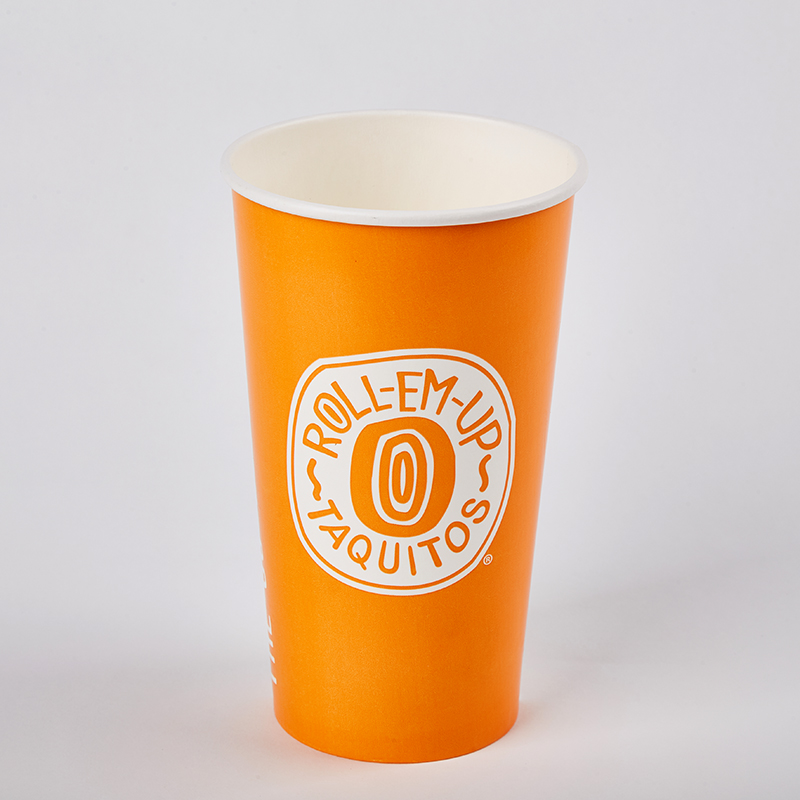
    冷饮纸杯是一种专门用于盛装冷饮或冰镇饮料的纸杯。通常采用特种纸材料制成,具有一定的防水性能和良好的保冷性能。冷饮纸杯通常是双层的,内层有防水涂层,外层有保护层,可以有效隔离冷饮中的温度,防止纸杯软化或漏水。它们通常还具有大容量,可容纳大多数冷饮和冰饮,并提供方便的饮用嘴设计和稳定的底部支撑。使用冷饮纸杯可以更方便、更卫生地享用冷饮,同时减少对环境的影响,因为杯子可以回收再利用。
  • 什么是双层纸杯? 什么是双层纸杯? Dec 04, 2023
    双壁纸杯是一种特殊设计的纸杯,由纸杯和外贴片组成。这种结构使双层纸杯在保温和隔热方面具有更好的性能。 双层纸杯通常用于盛装热饮,如咖啡、茶、热巧克力等。由于纸杯外层与空气层之间形成隔热层,使得外层温度降低。层数相对较低,不会让手感觉过热,提供更好的握持和使用体验。内纸板层经过防水涂层处理,可防止热饮料渗透纸杯外层。 双层纸杯设计,有效隔绝热量,防止烫伤,让热饮保温更长久。
1 2 3 4

A total of4pages

留言

留言
如果您对我们的产品感兴趣,想了解更多详情,请在这里留言,我们会尽快回复您。
提交

产品

whatsApp

接触